Hedging Commodity Exposure in a Volatile Market: A Practical Framework for Corporates
In a commodity market shaped by geopolitical tensions, Trump tariffs, and supply chain disruptions, hedging has become a survival tool rather than an optional overlay. This insight sets out a practical framework for corporates to manage commodity price risk and FX exposure through the right instruments, a formal internal policy, and disciplined execution.
A Market That No Longer Forgives Complacency
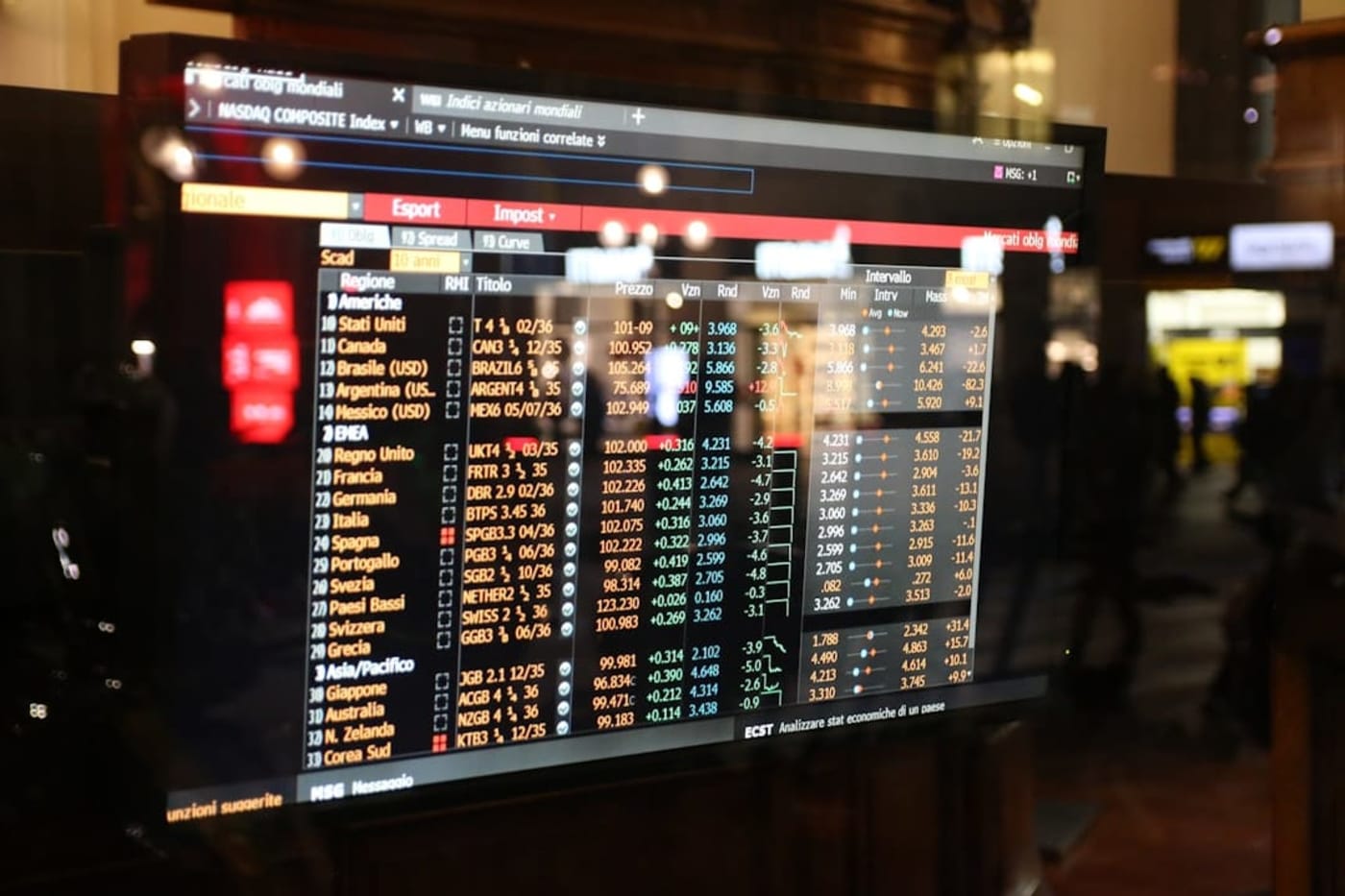
The commodity markets of 2025-2026 are operating under conditions that would have seemed extreme just a few years ago. Trump-era tariff escalations have disrupted established trade flows between the US, China, and the EU. Geopolitical tensions across key producing regions have made supply chains unpredictable. And the volatility of commodity prices has reached levels that make unhedged exposure a genuine existential risk for corporates.
For companies that buy or sell commodities as part of their core operations, this environment is no longer one where hedging is optional. It is a fundamental component of financial survival.
Why Hedging Has Become Non-Negotiable
Historically, some companies absorbed price fluctuations through margins and operated without formal hedging policies. That approach has become untenable. When commodity prices can move sharply in a matter of weeks driven by tariff announcements, weather events, or geopolitical shocks, unhedged exposure translates directly into P&L volatility that can wipe out entire quarters of profit.
The corporates navigating this environment most effectively are those that have built systematic, policy-driven hedging programmes. Not because hedging eliminates risk, but because it converts unpredictable, binary risk into manageable, defined cost.
The Main Instruments: What They Are and When to Use Them
Understanding the core hedging instruments is the starting point for any effective programme:
- Forwards lock in a price for a commodity or a currency at a future date. They are straightforward, bilateral, and highly effective for companies with predictable purchase or sale schedules. The drawback is that they eliminate upside as well as downside.
- Options give the right but not the obligation to buy or sell at a predetermined price. They cost a premium upfront but preserve the ability to benefit from favourable price moves. Options are particularly useful when there is uncertainty about the volume to be hedged.
- Swaps involve exchanging a floating price exposure for a fixed one over a defined period. They are common in energy and metals markets and increasingly used in agricultural commodities where multi-quarter price visibility is needed.
The right instrument depends on the company's risk appetite, the predictability of its physical flows, and the cost of the hedge relative to the margin it is protecting.
The Double Risk That Most Corporates Underestimate
One of the most common blind spots in commodity risk management is the failure to account for the interaction between commodity price risk and FX risk. A European company that buys sugar denominated in USD and sells its finished products in EUR is exposed to two separate but correlated risks: the price of the commodity itself, and the EUR/USD exchange rate.
If commodity prices fall but the USD strengthens significantly against the EUR, the effective cost of procurement can remain high despite the commodity price move. Managing these two risks in isolation, with a commodity desk handling one and a treasury team handling the other, often leads to gaps and mismatches. The most robust programmes treat commodity and FX hedging as a unified exposure to be managed within a single framework.
Common Mistakes That Undermine Hedging Programmes
Several recurring errors reduce the effectiveness of hedging strategies:
- Over-hedging locks in prices on volumes that the company ultimately does not purchase or sell, creating mark-to-market losses on positions that serve no commercial purpose.
- Under-hedging leaves material exposure unprotected, typically because the company is reluctant to lock in current prices while hoping for a more favourable move.
- Wrong instrument selection occurs when companies default to the instrument they know rather than the one that fits the risk profile. Using forwards when options would be more appropriate can create more risk than it removes.
- Absence of a formal policy is perhaps the most dangerous failure mode. Without a documented hedging policy, decisions are made ad hoc, often based on short-term market views rather than structural risk management principles.
Building an Internal Hedging Policy
A robust hedging policy defines the framework within which all decisions are made. It should address the following areas:
- Governance: who has authority to initiate, approve, and close hedging positions; what the segregation of duties looks like between treasury and operations.
- Exposure limits: what proportion of forward exposure can be hedged, over what time horizon, and at what maximum notional value.
- Instrument eligibility: which instruments are approved for use and which are excluded.
- Reporting: how positions are marked to market, how frequently, and who receives the reports.
- Periodic review: how the policy itself is reviewed as market conditions, business volumes, and risk appetite evolve.
This is not bureaucratic overhead. It is the operational infrastructure that allows a company to manage risk consistently across market cycles, management changes, and business growth.
The Role of Banks and Brokers in Execution
Even the best internal policy requires external counterparties to execute. Banks and commodity brokers play a central role in hedging execution, and the quality of that relationship matters significantly in stressed markets.
Companies need banking counterparties who understand their business, can offer competitive pricing on derivatives, and have the capacity to support them during periods of market stress. In the current environment, where credit appetite among banks is selectively tightening, maintaining relationships with multiple execution counterparties is itself a prudent risk management measure.
Brokers add value in markets where exchange-traded instruments are available, providing access to liquidity and transparency on pricing. They are particularly relevant for agricultural commodities where futures markets are deep and liquid.
Hedging Is Operational Survival, Not Profit Optimisation
The fundamental purpose of a hedging programme is not to generate profit. It is to protect the company's ability to operate, plan, and invest with a degree of predictability. In a market environment characterised by tariff-driven shocks, supply chain disruptions, and currency volatility, that predictability has become a competitive advantage.
Companies that enter 2026 with well-structured hedging frameworks are not just protected against downside. They are positioned to make faster, more confident commercial decisions because their financial exposure is understood and bounded. Those without formal frameworks are exposed not only to market risk but to the operational paralysis that comes with uncertainty.
How Bolster Group Can Support You
Bolster Group works with corporates exposed to commodity and FX risk to design, implement, and review hedging frameworks that reflect actual business exposure. Our work covers instrument selection, policy drafting, governance design, and engagement with banking counterparties. Whether you are building a hedging programme from scratch or reviewing an existing one in light of current market conditions, our team brings the technical depth and market experience to support you.
Contact us at contact@bolster-group.com


